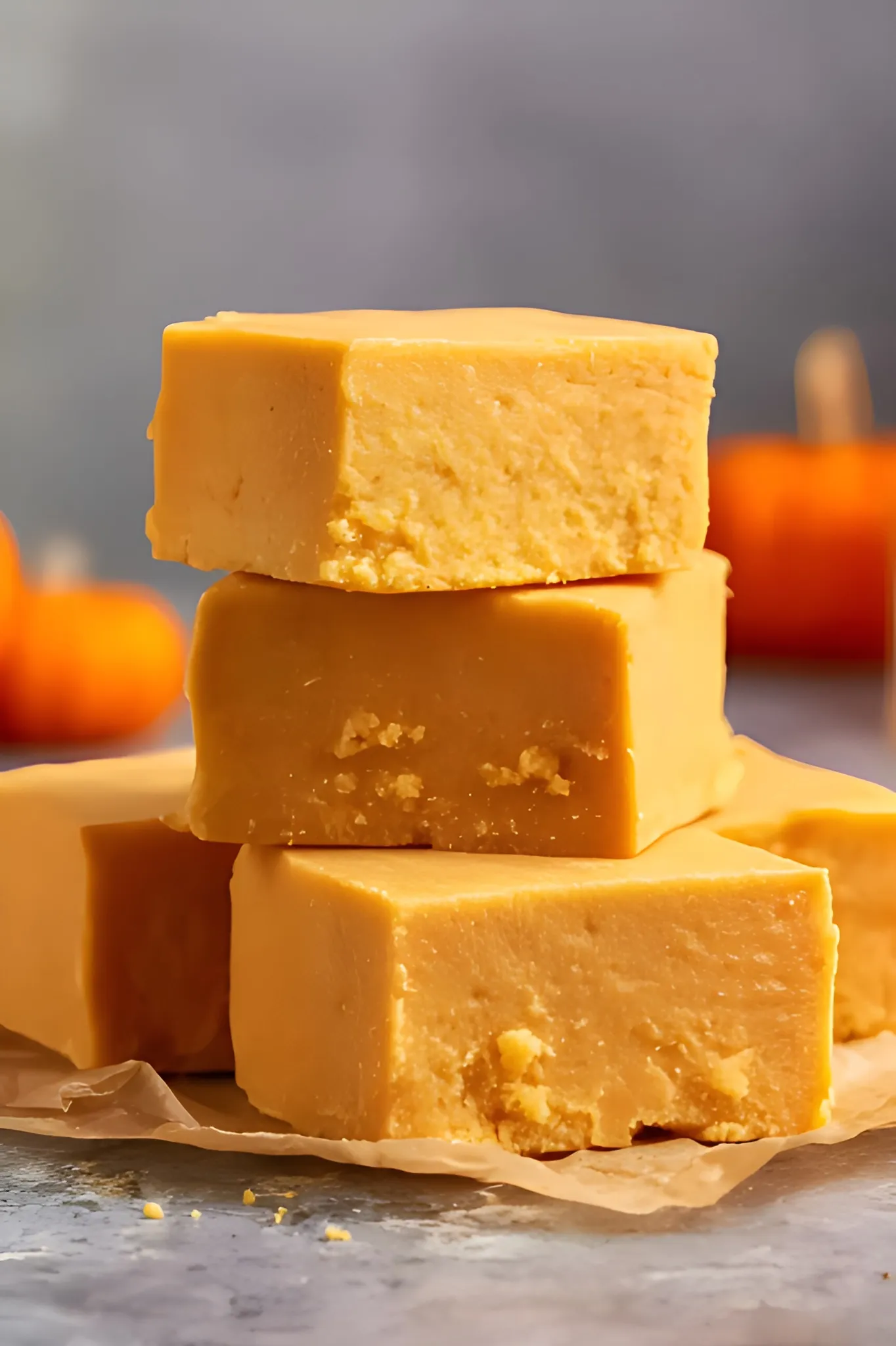
As the leaves begin to turn and a crispness fills the air, there's a certain magic that descends upon our kitchens. It's a time for warm spices, comforting aromas, and treats that evoke a sense of nostalgia. Few confections capture this autumnal spirit quite like homemade pumpkin fudge. Imagine a bite that delivers the silky smoothness of classic fudge, infused with the earthy sweetness of real pumpkin and the irresistible embrace of fall spices. This isn't just a dessert; it's a sensory journey back to simpler times, promising that old-fashioned taste without hours of complicated effort.
Many of us cherish memories of homemade treats simmering on the stove, filling the house with an unforgettable scent. Last October, I recall my daughter, Emily, walking into the kitchen, her eyes widening as she asked, "Mom, what's that amazing smell?" It was this very homemade pumpkin fudge, bubbling away, a recipe I was perfecting. The creamy, rich results were so unexpected that she couldn't believe how easily it came together. The secret to that incredible depth of flavor and luscious texture lies not in culinary wizardry, but in a few key ingredients and precise techniques, primarily the use of real pumpkin puree and a trusty candy thermometer.
Why Homemade Pumpkin Fudge is the Ultimate Fall Treat
There's something inherently comforting about a square of perfectly crafted fudge. But when you introduce the quintessential flavors of autumn – pumpkin, cinnamon, nutmeg, and clove – you elevate it to an entirely new level. Homemade pumpkin fudge isn't just sweet; it's a complex tapestry of flavors that dances on your palate. The natural earthiness of pumpkin provides a grounding balance to the sugar, while the warm spices create an inviting, cozy sensation that's truly unmatched.
Unlike many elaborate fall desserts, this fudge delivers big on flavor without requiring extensive time or a parade of fancy equipment. It’s an accessible project for even novice bakers, making it an ideal candidate for potlucks, holiday gifts, or simply a treat to enjoy with a warm cup of cider. The process itself is part of the charm – the anticipation as the mixture thickens, the house filling with the aroma of pumpkin pie spice, and finally, the satisfaction of cutting into those perfectly set, silky squares. It's a taste of autumn, captured in every single bite, ready to transport you to a field of vibrant gourds and rustling leaves.
The Secret Ingredient: Real Pumpkin Puree (And Why It Matters So Much)
When it comes to achieving that authentic, old-fashioned pumpkin fudge taste, the most critical ingredient is undoubtedly real pumpkin puree. This might seem obvious, but it’s a point where many aspiring fudge-makers stumble. The difference between plain pumpkin puree and pumpkin pie filling is monumental, and understanding this distinction is key to your success.
Pumpkin pie filling is a pre-mixed product that already contains sugar, spices, and sometimes even thickeners. While convenient for making a pie, using it in fudge will throw off the delicate balance of your recipe. The added sweetness will make your fudge cloyingly sweet, and the pre-existing spices might clash with the carefully measured blend you're adding. Furthermore, the texture can be significantly altered, leading to a fudge that’s either too soft, too firm, or just generally "off."
Plain pumpkin puree, on the other hand, is simply cooked and mashed pumpkin. It acts as a blank canvas, allowing you to control every aspect of flavor and sweetness. This is how you achieve that rich, natural pumpkin essence that truly defines a superior homemade pumpkin fudge. It allows the warm notes of cinnamon, nutmeg, and cloves to shine through without competition, creating a harmonious and balanced treat.
Canned vs. Homemade Pumpkin Puree: What You Need to Know
While making your own pumpkin puree from scratch by roasting and pureeing fresh pumpkin can be a rewarding culinary adventure, it's not a prerequisite for fantastic fudge. High-quality canned pumpkin puree is perfectly acceptable and, in many ways, more consistent. The key is to ensure your puree, whether canned or homemade, is thick and not watery. Excess moisture can prevent your fudge from setting properly, resulting in a soft, unset mixture that never quite firms up.
If you opt for homemade puree, ensure you drain any excess liquid or cook it down slightly to achieve a thick, paste-like consistency. For canned puree, simply check the label to ensure it's 100% pumpkin and not pie filling. Many recipes only call for about half a cup of pumpkin, leaving you with plenty of leftover puree to whip up more fall desserts like muffins, pancakes, or even another batch of this irresistible fudge!
Mastering the Art of Fudge Making: Essential Tips for Success
Making homemade pumpkin fudge is surprisingly straightforward, but a few critical steps can make the difference between a good batch and a truly unforgettable one. These tips, gleaned from countless kitchen experiments, will ensure your fudge turns out perfectly silky and smooth every time.
The Critical Role of Your Candy Thermometer
This is arguably the most crucial tool in your fudge-making arsenal. Fudge relies on precise temperature control to achieve the correct crystalline structure, which dictates its final texture. You need to cook the mixture to exactly the "soft ball stage," typically between 234-238°F (112-114°C). If the temperature is too low, your fudge will be too soft and won't set properly. Too high, and it will become crumbly or hard.
I learned this the hard way when an old, inaccurate thermometer led to several failed batches. Investing in a reliable, calibrated candy thermometer is a small upfront cost that saves endless frustration. Clip it to the side of your pot, ensuring the tip is submerged in the mixture but not touching the bottom of the pan, and watch it diligently.
Avoiding Grainy Fudge: The "No Stirring" Rule
Once your fudge mixture comes to a boil, resist the urge to stir it. Stirring while the sugar syrup is cooking can cause sugar crystals to form on the sides of the pan or within the mixture itself. These tiny crystals can then seed the entire batch, leading to a grainy, less desirable texture instead of the smooth, melt-in-your-mouth experience you crave. If you see crystals forming on the sides of the pot, gently brush them down with a pastry brush dipped in water, or simply cover the pot for a few minutes to allow the steam to wash them down.
The Importance of Cooling Before Beating
Another common mistake that can lead to grainy fudge is beating the mixture too soon. After the fudge reaches the soft ball stage and is removed from the heat, it's vital to let it cool undisturbed. The ideal temperature to begin beating is around 110°F (43°C). Allowing it to cool slowly and steadily helps the sugar crystals develop into the desired small, even structure. If you beat it too hot, the crystals will be large and uneven, resulting in a grainy texture. Be patient; this cooling phase is essential for that signature smooth, creamy finish.
For more detailed guidance on avoiding these and other common mishaps, make sure to check out Perfect Pumpkin Fudge: Avoid Common Mistakes for Silky Smooth Results.
Elevating Your Homemade Pumpkin Fudge Experience
Once you've mastered the basic recipe for homemade pumpkin fudge, there's a whole world of delicious possibilities to explore. Customizing your fudge can add an extra layer of flavor and sophistication, making each batch uniquely yours.
Creative Additions and Variations
- White Chocolate Swirl: Many classic pumpkin fudge recipes already incorporate white chocolate, which beautifully complements the pumpkin and spices. For an extra touch, reserve a small portion of melted white chocolate and drizzle it over the fudge just before it sets, then swirl with a toothpick for an elegant marble effect.
- Nutty Crunch: Toasted pecans or walnuts add a delightful textural contrast and nutty flavor. Fold them into the fudge after it's cooled and beaten, just before spreading into the pan.
- Maple Magic: A teaspoon of maple extract or a tablespoon of pure maple syrup (added carefully to adjust for consistency) can enhance the autumnal notes, giving your fudge a lovely depth.
- Spice Boost: For those who love a bold spice profile, consider adding a pinch of ground ginger or allspice to your pumpkin pie spice blend.
- Chai Infusion: For a unique twist, infuse your milk or cream with a chai tea bag before adding it to the fudge mixture, or add a pinch of ground cardamom.
- Cinnamon Chips: Cinnamon baking chips can be folded into the fudge just before pouring it into the pan, melting slightly to create pockets of spicy-sweetness.
Storage and Gifting Ideas
Properly stored, your homemade pumpkin fudge will remain fresh and delicious for several weeks. Keep it in an airtight container at room temperature for up to a week, or in the refrigerator for up to two to three weeks. For longer storage, you can freeze fudge for up to three months; simply thaw it in the refrigerator overnight before serving.
Fudge makes an exquisite homemade gift. Package individual squares or small blocks in decorative boxes or cellophane bags, tied with a festive ribbon. It's a thoughtful present that truly conveys warmth and care, perfect for holiday hostess gifts, teacher appreciation, or just to brighten someone's day.
There’s an unparalleled joy in creating something delicious from scratch, especially when it evokes such strong feelings of comfort and home. This homemade pumpkin fudge recipe offers just that – a straightforward path to an old-fashioned treat that tastes incredible and fills your home with the very essence of fall. By following these simple guidelines, paying attention to your ingredients, and mastering a few key techniques, you’ll be rewarded with silky, spice-laden squares that will become a beloved autumn tradition. So, grab that can of pumpkin puree, your candy thermometer, and get ready to create some sweet, seasonal magic.
